Factors Influencing Hotel Pricing and Availability: Unveiling the Key Determinants
Factors Influencing Hotel Pricing and Availability:
Hotel pricing and availability are influenced by various factors that impact the overall demand and supply dynamics in the hospitality industry. These factors can vary depending on the location, seasonality, market conditions, and customer preferences. Understanding these factors is crucial for hoteliers to effectively manage their pricing strategies and optimize revenue. In this article, we will explore some of the key factors that influence hotel pricing and availability.
Seasonal Demand and Peak Travel Periods
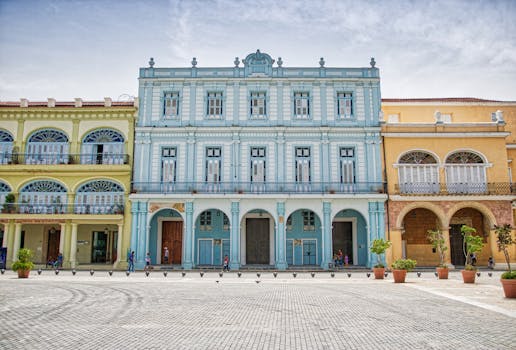
When it comes to booking a hotel, there are several factors that can influence the pricing and availability of rooms. One of the most significant factors is seasonal demand and peak travel periods. Understanding how these factors affect hotel prices can help travelers plan their trips more effectively and potentially save money.
Seasonal demand refers to the times of the year when there is a higher demand for hotel rooms in a particular location. This can be influenced by various factors such as weather, holidays, and local events. For example, during the summer months, beach destinations tend to experience a surge in demand as people look to escape the heat and enjoy a vacation by the sea. Similarly, ski resorts see a peak in demand during the winter months when people flock to the mountains for winter sports.
During these periods of high demand, hotels often increase their prices to take advantage of the increased interest in their location. This is known as peak pricing. The basic principle of supply and demand comes into play here – when demand is high, prices go up. This can make it more challenging for travelers to find affordable accommodation during these peak travel periods.
To secure the best prices and availability during peak travel periods, it is advisable to book well in advance. Many hotels offer early bird discounts or special promotions for those who book early. By planning ahead, travelers can take advantage of these offers and secure a room at a more reasonable price.
On the other hand, there are also periods of low demand when hotels may lower their prices to attract guests. These are often referred to as off-peak or shoulder seasons. During these times, hotels may offer discounted rates or special packages to entice travelers. For example, a beachfront hotel may offer lower rates during the fall or spring when the weather is still pleasant but not as crowded as during the summer.
Another factor that can influence hotel pricing and availability during peak travel periods is the length of stay. Many hotels offer discounts for longer stays, such as a week or more. This is because longer stays provide a more stable occupancy for the hotel, and they are willing to offer a lower rate to secure a longer booking.
It is also worth noting that the popularity of online travel booking platforms has made it easier for travelers to compare prices and availability across different hotels. This increased transparency has led to more competitive pricing in the hotel industry. However, it is still important to book early during peak travel periods to ensure the best selection and prices.
In conclusion, seasonal demand and peak travel periods have a significant impact on hotel pricing and availability. Understanding these factors can help travelers plan their trips more effectively and potentially save money. By booking well in advance, taking advantage of early bird discounts, and considering off-peak seasons, travelers can secure the best prices and availability for their hotel accommodations.
Q&A
Factors influencing hotel pricing and availability include:
1. Seasonality and demand
2. Location and proximity to attractions
3. Hotel brand and reputation
4. Amenities and services offered
5. Room type and size
6. Length of stay
7. Booking window and advance reservations
8. Competition and market conditions
9. Special events or conferences in the area
10. Economic factors such as inflation and exchange rates.In conclusion, several factors influence hotel pricing and availability. These factors include location, seasonality, demand, competition, amenities, and reputation. Hotel prices tend to be higher in popular tourist destinations, during peak seasons, and when demand is high. Additionally, the level of competition in the area, the range of amenities offered, and the reputation of the hotel also play a role in determining pricing and availability. It is important for hoteliers to consider these factors in order to effectively set prices and manage availability to maximize revenue and customer satisfaction.